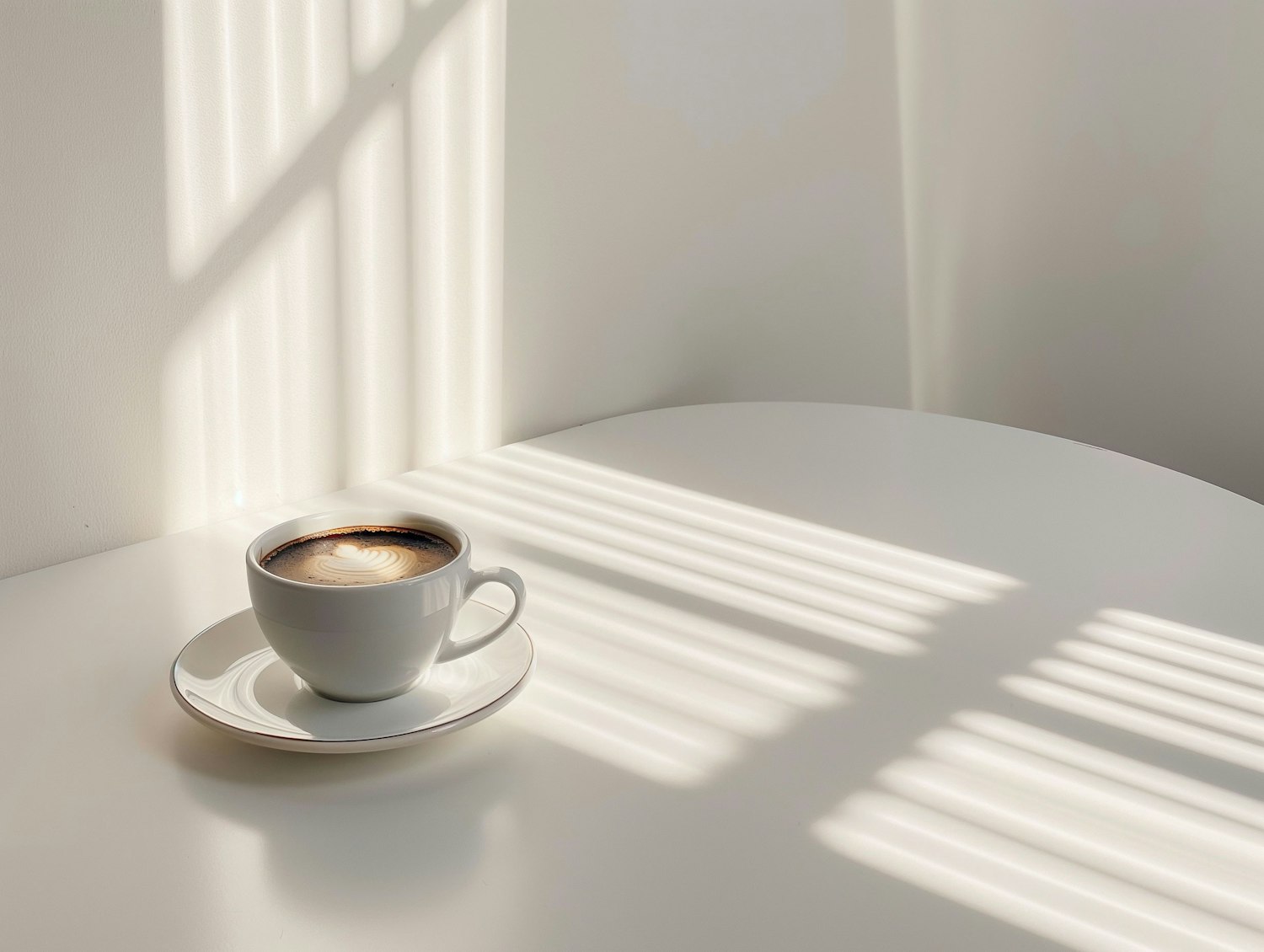
If you enjoy coffee, the useful questions are how much you drink, how it is brewed, what goes in the cup and when you drink it. Each is covered below, along with who is advised to cut back.
What have large studies linked coffee with?
The biggest overview so far is a 2017 umbrella review in the BMJ that brought together 201 meta-analyses of observational studies and 17 of trials. Compared with no coffee, about three to four cups a day was linked with the largest drop in the risk of early death and of cardiovascular disease. Drinking more coffee rather than less was also linked with lower risks of:
- type 2 diabetes
- several liver conditions, including fatty liver disease and cirrhosis
- cancer overall (18% lower), and some specific cancers, such as liver and endometrial cancer
- Parkinson's disease, even after allowing for smoking
- depression and gallstones
Decaf showed similar links with a lower risk of early death and type 2 diabetes, and no convincing harms, although the authors point out that people who choose decaf may differ in other ways too.
Do these studies prove coffee is good for you?
No. The review rated most of the evidence as low or very low quality, because it is observational: it follows what people already drink rather than randomly assigning coffee or none. Coffee drinkers differ from non-drinkers in other ways, smoking above all. Smokers tend to drink more coffee, and most harms once linked to coffee largely disappeared when studies properly allowed for smoking.
The review did flag two areas of possible harm: pregnancy, and a higher risk of fractures in women (but not in men). The authors concluded that coffee "seems generally safe within usual levels of intake" and called for randomised trials to test whether the links are cause and effect. So the evidence is reassuring if you already enjoy coffee, but it is no reason to start drinking it to prevent disease.
How much caffeine is safe for most adults?
The US Food and Drug Administration (FDA) has cited 400 mg a day, "about two to three 12-fluid-ounce cups of coffee", as an amount not generally associated with negative effects in most adults. Treat it as a ceiling rather than a target: the FDA notes that tolerance varies with body weight, medicines, health conditions and individual sensitivity. Signs you have had too much include a fast heart rate, palpitations, trouble sleeping, anxiety, jitters, an upset stomach and headaches.
How much caffeine is in a cup of coffee?
It varies with the beans, the brewing method and the cup size, so treat these figures as rough guides. The NHS notes that filter coffee and coffee bought from coffee shops can contain more than instant.
| Drink | Typical caffeine | Source |
|---|---|---|
| Cup of instant coffee | About 100 mg | NHS |
| Brewed coffee, 12 fl oz (about 355 ml) | 113–247 mg | FDA |
| Decaf coffee, 8 fl oz (about 240 ml) | 2–15 mg | FDA |
| Cup of black or green tea | About 75 mg | NHS |
| Can of cola | About 40 mg | NHS |
| Energy drink, 250 ml can | About 80 mg | NHS |
| Plain dark chocolate, 50 g bar | Less than 25 mg | NHS |
Caffeine from tea, cola, energy drinks and chocolate counts towards the same daily total.
Who should limit coffee or caffeine?
Some people are advised to keep caffeine lower or check with a doctor first. MedlinePlus lists these groups:
- Pregnancy. The NHS advises no more than 200 mg of caffeine a day, because too much has been linked to a higher chance of miscarriage and stillbirth. That is about two cups of instant coffee.
- Breastfeeding, since a small amount of caffeine passes to the baby.
- Anxiety. Too much caffeine can cause restlessness, shakiness and anxiety.
- Sleep problems, including insomnia.
- Reflux, heartburn or ulcers. The NHS lists coffee among the food and drinks that can cause or worsen heartburn.
- Heart rhythm problems or high blood pressure. MedlinePlus advises talking to your doctor if you have an arrhythmia (a problem with the rate or rhythm of your heartbeat) or high blood pressure.
- Certain medicines, including stimulants, certain antibiotics, asthma medicines and heart medicines. A pharmacist can check yours.
- Children and teenagers, who should have less caffeine than adults.
Is coffee bad for your heart rhythm?
For people without a known rhythm problem, the research is reassuring. In a UK Biobank study of 386,258 adults followed for an average of 4.5 years, each extra daily cup of coffee was linked with a 3% lower risk of developing an arrhythmia. The authors concluded that common bans on caffeine to reduce arrhythmia risk are "likely unwarranted", though this observational study cannot prove cause and effect.
A randomised trial summarised in 2023 took a closer look: adults wearing a continuous heart monitor were told by daily text message, at random, whether to drink coffee or avoid caffeine for 14 days. Coffee days brought no rise in early beats from the heart's upper chambers, but about 50% more from the lower chambers, 1,058 more steps a day and 36 minutes less sleep a night. If you already have a heart rhythm condition, follow your own doctor's advice.
Does unfiltered coffee raise cholesterol?
It can. Coffee beans contain oily compounds called cafestol and kahweol, which raise blood cholesterol. They are largely absent from coffee made with a paper filter or from instant granules. A meta-analysis of 14 trials concluded that "consumption of unfiltered, but not filtered, coffee increases serum levels of total and LDL cholesterol", with bigger rises at higher intakes.
- Unfiltered: boiled (Scandinavian-style), Turkish and Greek coffee are the styles linked with higher cholesterol. In the Tromsø Study of 21,083 Norwegian adults aged 40 and over, six or more cups a day of boiled or plunger coffee were linked with higher cholesterol.
- In between: espresso. In the same study, 3–5 espresso-based drinks a day (including capsule coffee) were linked with slightly higher cholesterol, more so in men.
- Filtered or instant: much smaller effects.
The effect wears off once people stop, and a 1996 review advised heavy coffee drinkers at higher risk of heart disease to choose brews low in these compounds. If your cholesterol is high, ask your doctor whether filtered coffee makes sense, and see cholesterol numbers explained.
Do sugar, syrups and cream make a difference?
Yes, because what you add brings its own sugar and fat. The NHS counts any sugar added to drinks, and syrups, as free sugars, and advises adults to have no more than 30 g of free sugars a day, roughly 7 sugar cubes. The World Health Organization advises keeping free sugars below 10% of daily energy, with extra benefit below 5%, and keeping saturated fat, which cream contains, to no more than 10%.
If you take sugar, the NHS suggests cutting down gradually, and syrup-and-cream coffees are best kept as an occasional treat rather than a daily habit.
When should you stop drinking coffee before bed?
Earlier than many people think. In a small 2013 trial, 12 healthy sleepers took 400 mg of caffeine at bedtime, 3 hours before bed or 6 hours before bed. "Even at 6 hours, caffeine reduced sleep by more than 1 hour", measured with a home sleep monitor, yet people's own sleep diaries showed no significant drop at that timing. The researchers suggested avoiding substantial caffeine for at least 6 hours before bed.
For more on timing, see caffeine and sleep. To estimate how much caffeine is still in your system at bedtime, try the caffeine calculator.
When should you see a doctor?
- Get emergency help (call 999 in the UK) if you have palpitations that do not go away, or palpitations with chest pain, shortness of breath, or feeling faint or fainting, as the NHS advises.
- See a GP if palpitations keep coming back or last longer than a few minutes, or if you have heartburn most days that pharmacy medicines are not helping.
- Get advice if sleep problems or anxiety carry on after cutting back, or if you are pregnant, breastfeeding or on regular medicines and unsure what is right for you.
For what caffeine does for alertness, read does caffeine actually work? For how coffee fits into an overall way of eating, see the full guide to nutrition.