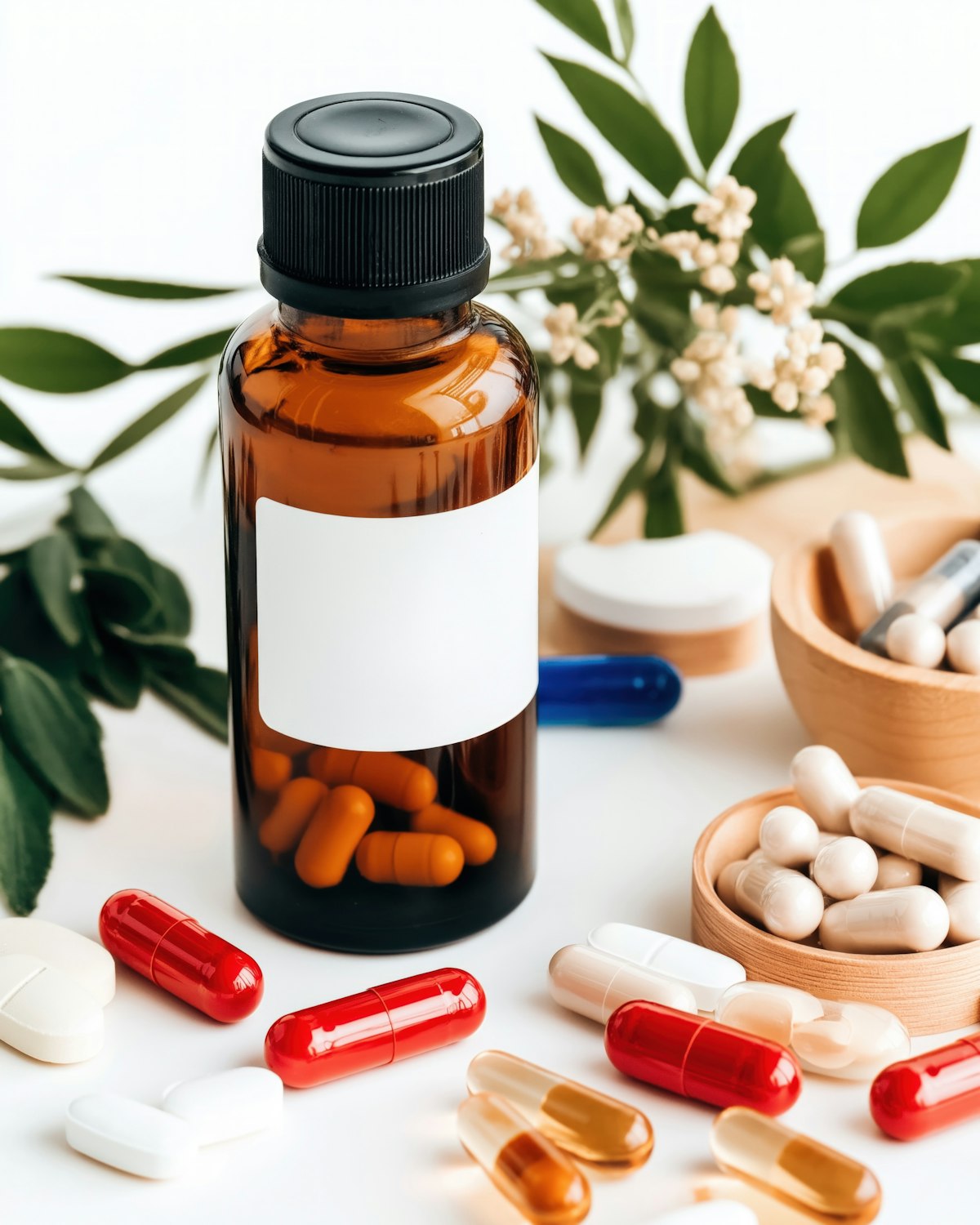
St John's wort is the clearest case, with documented interactions across antidepressants, contraception, anticoagulants, HIV medication and chemotherapy drugs. Even green tea supplements can reduce blood levels of some prescription drugs.
They are not approved before sale. NCCIH states that in most cases the FDA is not authorized to review dietary supplements for safety and effectiveness before they are marketed, and the FDA says the same of itself.
The targets are less than 10 percent of daily calories from added sugars, and under 2,300 mg of sodium a day for adults. Americans average about 3,400 mg of sodium, and most of it does not come from the salt shaker.
The FDA sets the Daily Value for dietary fibre at 28 g, and lists fibre among the nutrients Americans generally do not get enough of. It is the least glamorous gut-health lever and the best supported one.
Sometimes, for some conditions, and researchers cannot yet tell you which. NCCIH states that in most instances we still do not know which probiotics are helpful and which are not, and that strong scientific evidence is lacking for most uses.
For most adults a normal resting heart rate is 60 to 100 beats per minute. Well-trained athletes often sit lower, at 40 to 60, which is usually normal.
Change a tampon every 4 to 8 hours and never leave one in longer than 8, use the lowest absorbency your flow needs, and wash your hands before and after. Those habits carry almost all of the safety.
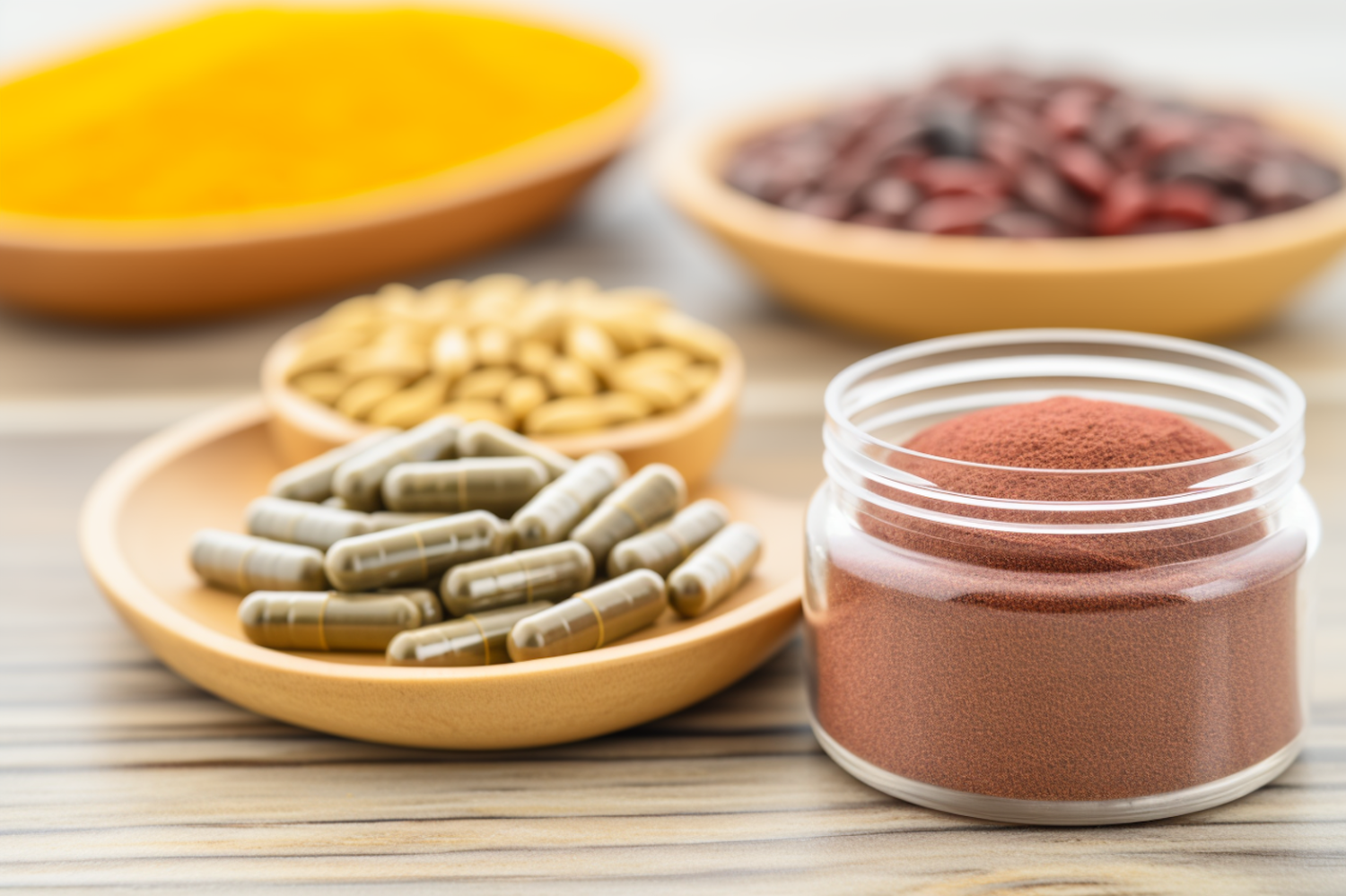
Dried goji berries deliver 13 g of fibre and 48 mg of vitamin C per 100 g, alongside 45.6 g of sugar. The human trials behind the eyesight and immunity claims are few and small, and goji can interact with warfarin.
Iron, protein and zinc are the nutrients most strongly linked to hair growth, and mainly because a shortfall causes shedding. Food covers them well; supplements help only where a blood test confirms a deficiency.
Eating well steadies energy, makes weight easier to manage, supports mood, and is linked to lower risk of heart disease, type 2 diabetes and some cancers. Most benefits come from repetition, not from any single food.
Tingling and numb fingers most often come from nerve pressure: carpal tunnel syndrome, a compressed nerve at the elbow or neck, or sustained posture. Circulation and systemic causes explain the rest.
Oral decongestants such as pseudoephedrine and phenylephrine, plus NSAID pain relievers, are the cold medicine ingredients most often cautioned against with high blood pressure. Ask a pharmacist first.
Blood pressure below 90/60 mm Hg is generally considered low, but it only matters when it causes symptoms such as dizziness, light-headedness, fatigue, blurred vision or fainting. Causes range widely.
Most blood pressure prescriptions fall into five classes: ACE inhibitors, ARBs, calcium channel blockers, thiazide diuretics and beta blockers. Each lowers pressure differently and each has its own side effects.