A meta-analysis of 91 samples covering more than 38,000 people found that psychologically detaching from work was associated with lower exhaustion, higher life satisfaction and wellbeing, and better sleep.
Joint WHO and ILO estimates attribute 398,000 stroke deaths and 347,000 heart disease deaths in 2016 to working at least 55 hours a week, roughly 745,000 deaths in total. It is a population estimate, not a prediction about any individual.
WHO includes burn-out in the ICD-11 as an occupational phenomenon and states explicitly that it is not classified as a medical condition. It has three defined dimensions: exhaustion, mental distance or cynicism about the job, and reduced professional efficacy.
It stimulates the central nervous system and can make you feel more awake. Feeling more awake and being less impaired are not the same thing, and a controlled trial found caffeine six hours before bed still cut measured sleep time by over an hour.
MedlinePlus gives a clear threshold: when fatigue is not relieved by enough sleep, good nutrition, or a low-stress environment, it should be evaluated by your health care provider.
The guidance treats them as two separate instructions rather than one balance sheet. WHO advises that all age groups should limit sedentary time, alongside meeting an activity target rather than instead of it.
At least 150 to 300 minutes of moderate-intensity aerobic activity a week, plus muscle-strengthening on at least 2 days. The ten-minute minimum bout was removed, so short bursts now count toward the total.
A few bad nights are normal. Insomnia becomes chronic, by the NHLBI's definition, when trouble sleeping happens 3 or more nights a week for more than 3 months and cannot be fully explained by another health problem. The everyday culprits are stress, an irregular schedule, late caffeine, evening light and an unsuitable room.
Sleep hygiene comes down to four levers: a consistent wake time, daylight early and darkness late, an earlier caffeine cutoff, and a cool, dark, screen-free bedroom. Here are twelve specific habits drawn from CDC/NIOSH guidance, ordered by how much they tend to move the needle.
Most adults need 7 or more hours a night: CDC guidance sets 7 or more hours for ages 18 to 60, 7 to 9 hours for 61 to 64, and 7 to 8 hours for 65 and over. Those are population ranges rather than personal prescriptions, and how you function during the day is a better test than any single number.
Zone 2 is steady exercise just below the point where breathing starts to climb. In practice it is the fastest pace you can hold while talking comfortably.
Heat, dehydration, short sleep, stress, caffeine, alcohol and illness can all raise your heart rate at the same effort. It usually settles once they pass.
Social jetlag is the gap between the middle of your sleep on workdays and free days. Enter both schedules to see how far your body clock shifts each week.
Your real working week includes extra hours, the commute and after-hours messages. Add them up to see the time work takes and how much of each day is left.
Moderate exercise is 64 to 76% of your maximum heart rate. Enter your age to see your light, moderate and vigorous zones, plus a 10-second pulse count.
Caffeine roughly halves every 3 to 5 hours in adults. Add your drinks and bedtime to see what is left when you sleep, and when your last cup should be.
Rest comes in four kinds: detachment, relaxation, mastery and control. Answer eight quick statements to find the one your evenings have been missing most.
Rest is not one activity. Research identifies four recovery experiences, and tired people often pick the wrong one. Here is how to tell them apart quickly.
Work-life balance is less about splitting hours evenly than how much control you have over them. Here is why the term misleads, and what to track instead.
There is no official hourly limit for video games. The WHO advises none before age 2 and under an hour from 2 to 4, while the AAP sets no single number for older children, asking families to protect sleep and school instead.
Sport helps children reach the 60 minutes of daily activity the CDC recommends while building bone, muscle and heart fitness, confidence and friendships, with variety protecting them better than early specialisation.
Knee-to-chest, cat-cow and child's pose are the stretches most often suggested for everyday lower back pain, held 20 to 30 seconds and repeated a few times a day alongside gentle activity, not bed rest.
To find your bedtime, count backward from your alarm in roughly 90 minute sleep cycles and add time for falling asleep. Waking at 7:00am with a 15 minute allowance points to 9:45pm for 9 hours of sleep, 11:15pm for 7 hours 30, or 12:45am for 6 hours.
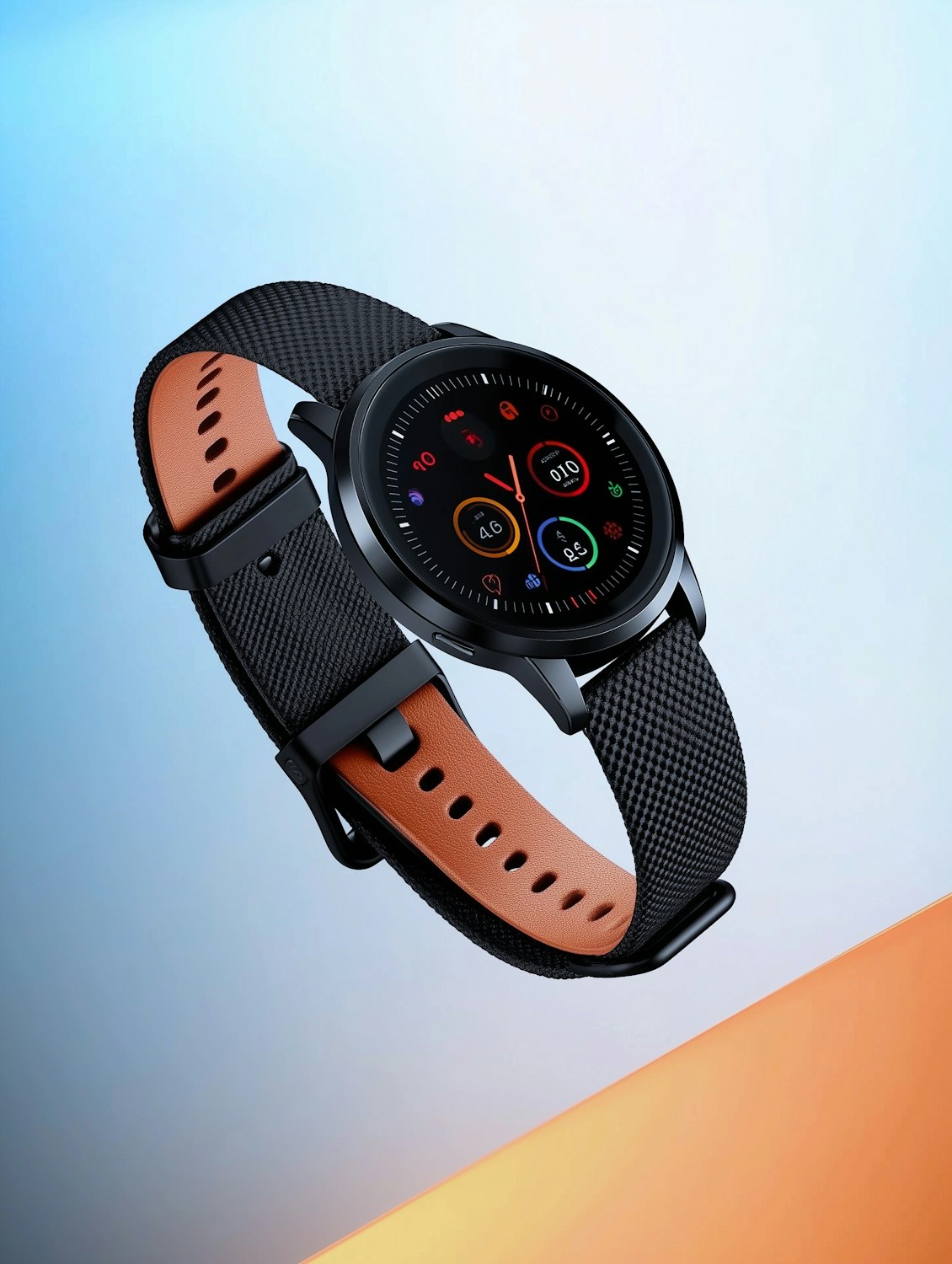
Reasonably good at telling sleep from wake, much weaker at telling one sleep stage from another. A study of seven consumer devices against clinical monitoring found high sensitivity for detecting sleep but low-to-medium specificity for detecting wake, and concluded that sleep stage assessments were inconsistent.
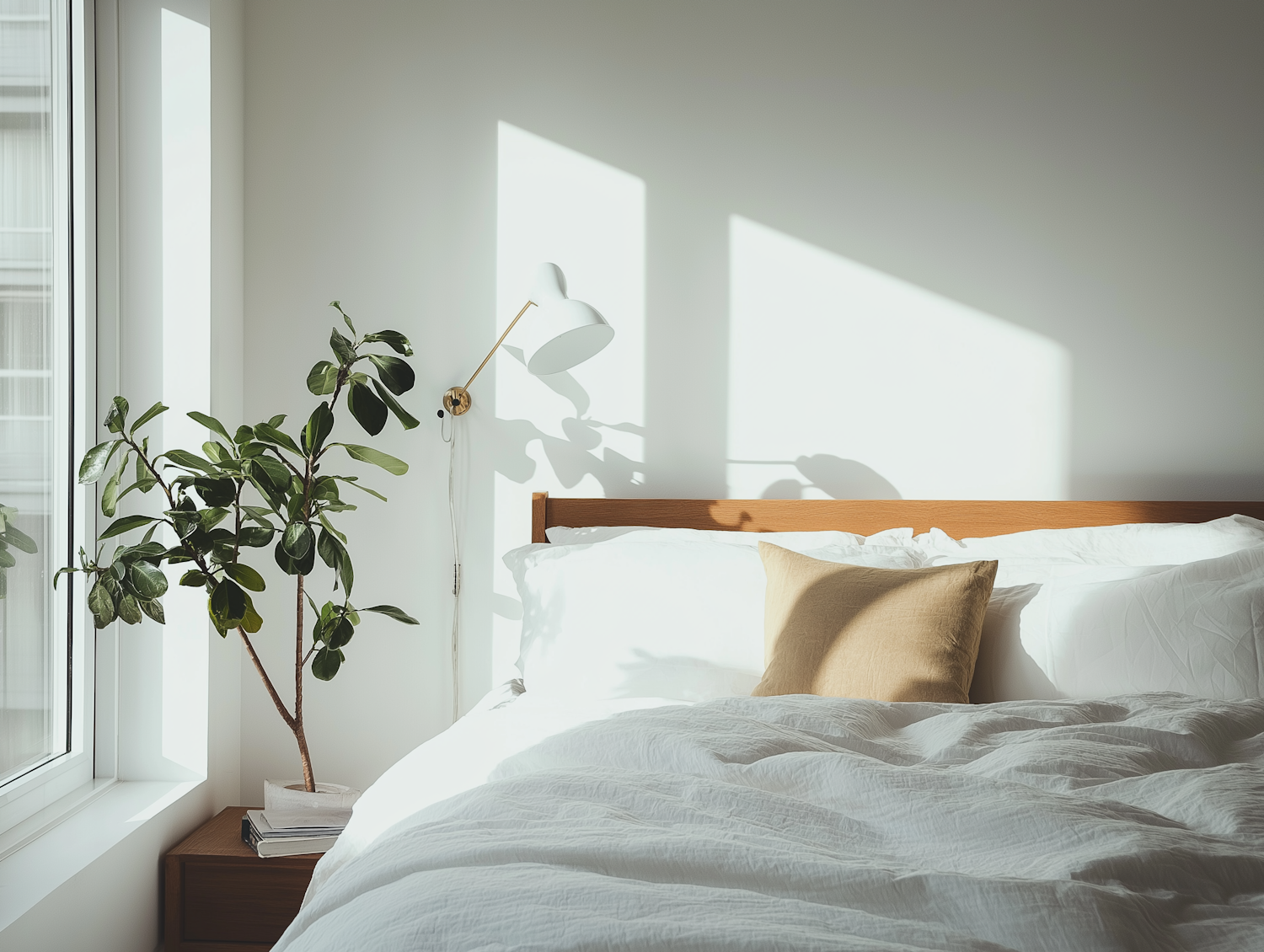
CDC/NIOSH puts a comfortable bedroom at about 65 to 68°F for most adults. It is a guideline rather than a rule, and it is one of the few sleep changes you make once to a room instead of repeating nightly, which is exactly what makes it worth doing.
Light is the strongest input to the body clock that controls melatonin release, and NIGMS states that the clock works from the amount of light the eyes receive. That makes evening light genuinely consequential. What the guidance actually recommends, though, is less light and a darker room, not blue-light glasses.
Alcohol shortens the time it takes to fall asleep, which is why it feels like it works. Research describes REM sleep suppressed and delayed in the first half of the night, then the second half disrupted with increased wakefulness and light sleep. Fast to sleep, worse sleep. CDC/NIOSH advises avoiding alcohol near bedtime.
In a controlled trial, 400 mg of caffeine taken 0, 3 or even 6 hours before bed cut objectively measured sleep time by 1.1 to 1.2 hours. At the six-hour mark only the objective measurement caught it, which is why afternoon coffee gets a pass it has not earned. CDC/NIOSH advises stopping 5 or more hours before sleep.
Hours are only one of three variables. The CDC defines quality sleep as uninterrupted and refreshing, and the NHLBI's term sleep deficiency covers sleeping at the wrong time and not sleeping well, not just sleeping too little. Alcohol, a warm room, an irregular wake time and undiagnosed sleep apnea are the usual explanations.
Your circadian rhythm is the roughly 24-hour internal cycle that governs when you feel sleepy and alert, run by a master clock in the brain called the suprachiasmatic nucleus. Light and dark influence it more than any other input, which is why getting daylight early is the most direct way to keep it on schedule.