Ashwagandha is now sold as capsules, powders, teas and gummies, usually with promises about stress and sleep. The research is more modest than the marketing, and several groups of people are advised not to take it at all. For how it compares with other herbs sold for stress, see our guide to adaptogens.
What is ashwagandha?
Ashwagandha (Withania somnifera) is an evergreen shrub found in parts of India, Africa and the Middle East. According to the US National Center for Complementary and Integrative Health (NCCIH), it has been used as a medicinal plant for thousands of years, especially in Ayurvedic medicine. It contains compounds called withanolides, which have been associated with anti-inflammatory and antioxidant effects.
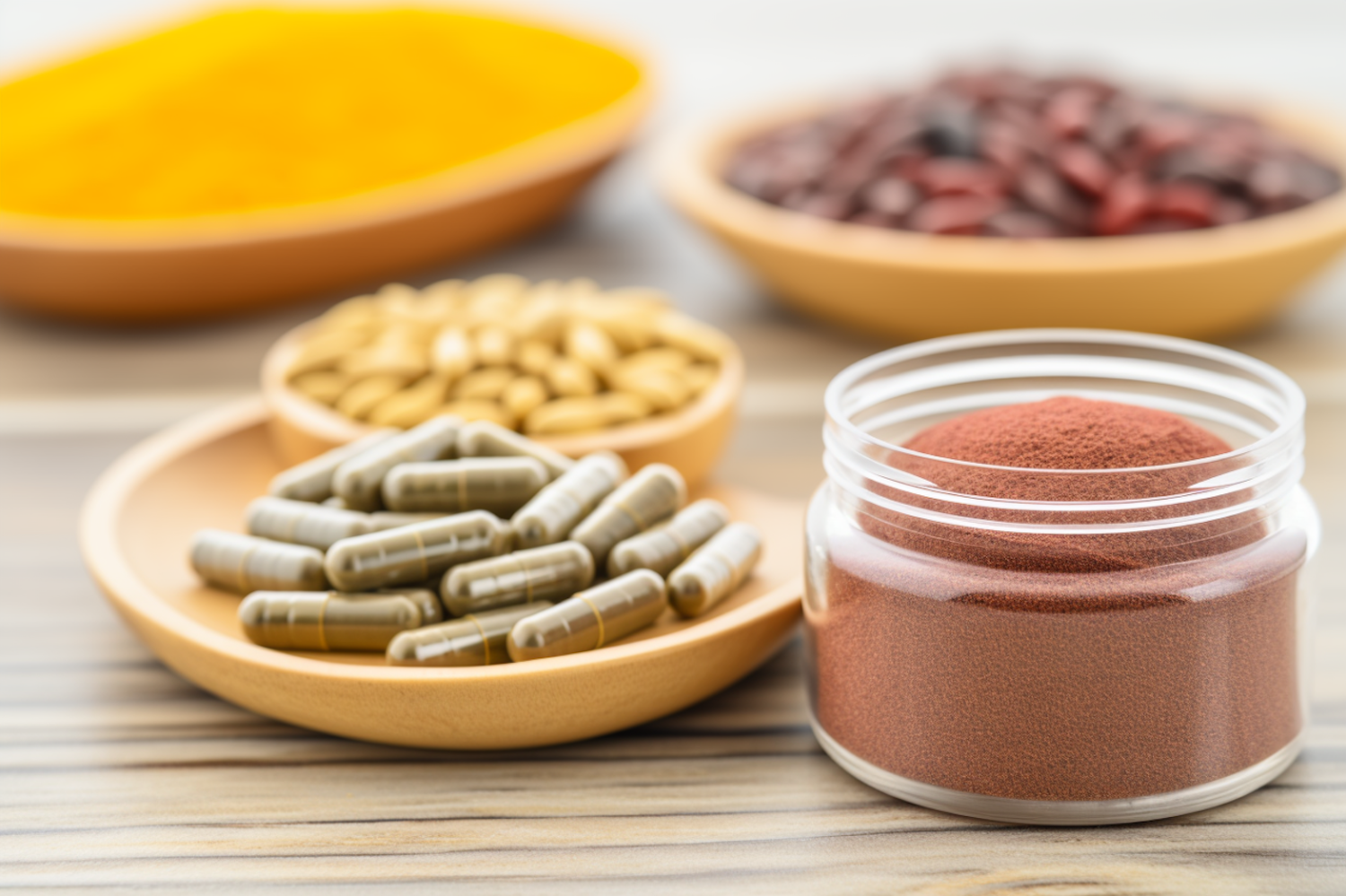
Supplements are usually made from extracts of the root, the leaf or both, and are marketed for stress, anxiety, sleep, male fertility and sports performance. Products differ in which part of the plant they use and how it is processed, so a trial result for one extract does not automatically carry over to another.
What does research show about ashwagandha?
Most human trials have tested it for sleep, stress and anxiety, usually for 6–12 weeks and against a placebo. NCCIH sums up the picture this way: some preparations "may be effective for insomnia and stress", but the evidence on anxiety is unclear, and many studies have been small and used a variety of preparations. Some were funded by the companies that make the extracts.
| What was studied | What trials found | How strong the evidence is |
|---|---|---|
| Sleep | A small improvement in overall sleep, larger in people with insomnia | Moderate certainty, from 5 trials with 400 adults, all run in India |
| Stress | Lower stress scores and lower morning cortisol than placebo in some trials | Mostly small, short trials of different extracts, some funded by the makers |
| Anxiety | Lower anxiety scores in several trials | Low certainty, with results that vary widely between trials |
| Sports performance, memory, menopause, diabetes | No clear answer | Not enough evidence, according to NCCIH |
Does ashwagandha help you sleep?
The clearest summary so far is a 2021 meta-analysis in PLoS One that pooled five placebo-controlled trials involving 400 adults. Ashwagandha extract had what the authors called "a small but significant effect on overall sleep", including falling asleep faster, sleeping longer and spending less time awake in the night. The effect was larger in people with insomnia and in trials lasting at least 8 weeks, and no serious side effects were reported.
The limits are real. All five trials took place in India, four of them tested the same branded root extract, and only two were registered before they began. The authors concluded that more safety data are needed to judge whether ashwagandha is safe for long-term use.
Does ashwagandha reduce stress and cortisol?
Stress trials usually recruit healthy adults who say they feel stressed. In one 2019 randomised trial of 60 adults in India, anxiety scores fell by 41% over 60 days with ashwagandha and by 24% with a placebo, and morning cortisol fell by 23% while it barely changed on placebo. A broader questionnaire covering depression, anxiety and stress showed only a borderline difference between the groups.
The trial was small and short, it was funded by the company that makes the extract, and the researchers could not show that the fall in cortisol explained why people felt better. So a lower cortisol reading should not be taken as proof of lower stress. Our explainer on what cortisol really does covers why the hormone is more than a stress gauge.
Does ashwagandha help with anxiety?
NCCIH describes the evidence on anxiety as unclear. A 2025 review in BJPsych Open of 14 trials with 713 people who had a diagnosed mental health condition found lower anxiety scores with ashwagandha, but rated the certainty of that evidence as low. Results varied widely between trials, there were signs that less favourable studies may have gone unpublished, and the authors said the findings call for "cautious interpretation".
Ashwagandha is not a substitute for assessment or treatment of an anxiety disorder, and it should not replace any medicine you have been prescribed.
Is ashwagandha safe?
NCCIH says ashwagandha may be safe when taken in the short term (up to 3 months), but there is not enough information to judge its long-term safety. Some people get drowsiness, stomach upset, diarrhoea or vomiting. In the 2025 review, side effects were mostly digestive and described as "transitory and not severe".
Can ashwagandha harm your liver?
Liver injury is rare, but NCCIH notes a number of cases linking it to ashwagandha supplements. A 2020 case series from Iceland and the US Drug-Induced Liver Injury Network described five people who developed jaundice (yellowing of the skin and eyes) 2–12 weeks after starting ashwagandha, along with itching, nausea or tummy discomfort in some. None developed liver failure, and liver tests returned to normal within 1–5 months in the four who were followed up.
A 2023 paper that brought together 12 reported cases included one person who needed a liver transplant. Its authors judged this harm "probably rare, although it might be underreported".
Who should avoid ashwagandha?
NCCIH advises against ashwagandha for these groups:
| Group | Why |
|---|---|
| Pregnant or breastfeeding | It should be avoided during pregnancy and not used while breastfeeding |
| Anyone due to have surgery | It is not recommended before an operation; tell your health care team about any supplements as far ahead as you can |
| People with a thyroid condition | It is not recommended, and it may interact with thyroid hormone medicines |
| People with an autoimmune condition | It is not recommended, and it may interact with medicines that suppress the immune system |
| People with hormone-sensitive prostate cancer | It may raise testosterone levels |
The thyroid warning is backed by case reports. In one 2022 report, a 73-year-old woman with an underactive thyroid had swapped her prescribed thyroid medicine for ashwagandha root extract. Two years later she went to hospital with a racing heart and was diagnosed with thyrotoxicosis (too much thyroid hormone activity). Her symptoms had settled two weeks after she stopped the supplement.
Which medicines can interact with ashwagandha?
NCCIH lists possible interactions with medicines for diabetes and high blood pressure, immunosuppressants, sedatives, anti-seizure medicines and thyroid hormone. Because ashwagandha can itself cause drowsiness, taking it alongside sleeping tablets or other sedating medicines needs particular care. Our guide to herb and drug interactions explains how to check, and a pharmacist can review your full list of medicines and supplements.
How can you judge the quality of an ashwagandha product?
In the US, apart from new ingredients, the FDA is not authorised to review dietary supplements for safety and effectiveness before they go on sale, and NCCIH warns that "What's on the label may not be what's in the product." Words such as "standardized" or "certified" do not necessarily guarantee quality or consistency either. See how supplements are regulated for how the rules work.
Contamination is not the only concern. In the 2020 liver case series, testing of the available products found ashwagandha and no other toxic compounds, which suggests the herb itself can be responsible. The authors of the 2023 paper called for "a stricter assessment of quality and safety" of ashwagandha products. If you do try one, check which part of the plant it contains, tell your doctor or pharmacist, and stop taking it and seek advice if you notice side effects.
When should you see a doctor?
Stop taking ashwagandha and get medical advice promptly if you notice:
- Yellowing of the skin or the whites of the eyes, itching, nausea, tummy pain or unusual tiredness, which were among the symptoms in reported liver cases.
- A racing heartbeat, tremor or other new symptoms, especially if you have a thyroid condition.
Talk to a doctor or pharmacist before you start if you are pregnant or breastfeeding, have a long-term condition, take any regular medicine, or have an operation coming up. If stress or poor sleep is affecting your daily life, that is worth raising with a doctor in its own right rather than managing with supplements alone.
To compare ashwagandha with other stress herbs, read the adaptogens guide, or explore the full guide to herbal remedies.